

More patients today are interested in the materials used in their dental care. For some, that means looking for natural-looking restorations, asking about biocompatible dental materials, or choosing a dental practice that offers mercury-free dentistry.

Mercury-free dentistry focuses on restorative options that do not use dental amalgam, while still prioritizing function, durability, appearance, and each patient's individual dental needs. For patients interested in holistic dental care, understanding the available materials can make it easier to have an informed conversation with their dentist.

At Stricker Dental Care, we believe patients should understand their treatment options and the materials being considered before making decisions about their oral health.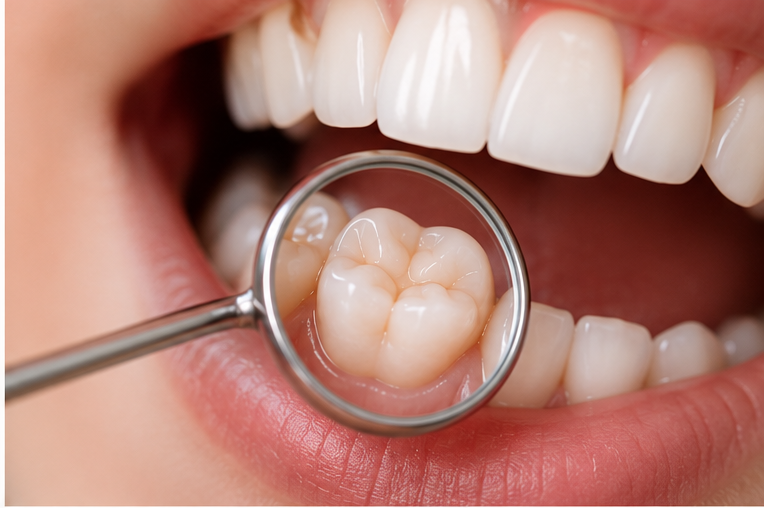
What Does Mercury-Free Dentistry Mean?
Mercury-free dentistry means that a dental practice uses restorative materials that do not contain mercury instead of placing new dental amalgam fillings.
Dental amalgam, sometimes called a silver filling, is a long-established restorative material made from a combination of metals, including mercury. Mercury-free dental practices instead use alternatives such as composite resin and certain ceramic materials when clinically appropriate.
Choosing mercury-free dentistry does not mean that every existing amalgam filling automatically needs to be removed. Existing restorations should be evaluated individually by a dentist based on their condition, the health of the surrounding tooth, symptoms, and the patient’s treatment goals.
Common Alternatives to Amalgam Fillings
Modern dentistry offers several restorative materials that can be used without dental amalgam. The right option depends on factors such as the location and size of the restoration, bite forces, remaining tooth structure, appearance, and the dentist’s clinical recommendation.
Composite Resin Fillings: Composite resin is one of the most common materials used for tooth-colored fillings. It can be matched closely to the natural shade of the tooth, making it especially useful when appearance is important. Composite materials can be used to restore many small and moderate areas of tooth decay or damage. Because the material bonds to the tooth, dentists can often create a restoration that preserves healthy tooth structure while restoring normal function.
Ceramic Restorations: Ceramic materials may be recommended for certain fillings, inlays, onlays, or crowns. These restorations can provide a natural appearance and are designed to withstand normal chewing forces when used appropriately.
Other Restorative Materials: Additional materials may be appropriate in certain situations. Your dentist can explain the advantages, limitations, longevity, and cost of each option before treatment. There is no single restorative material that is ideal for every tooth or every patient.
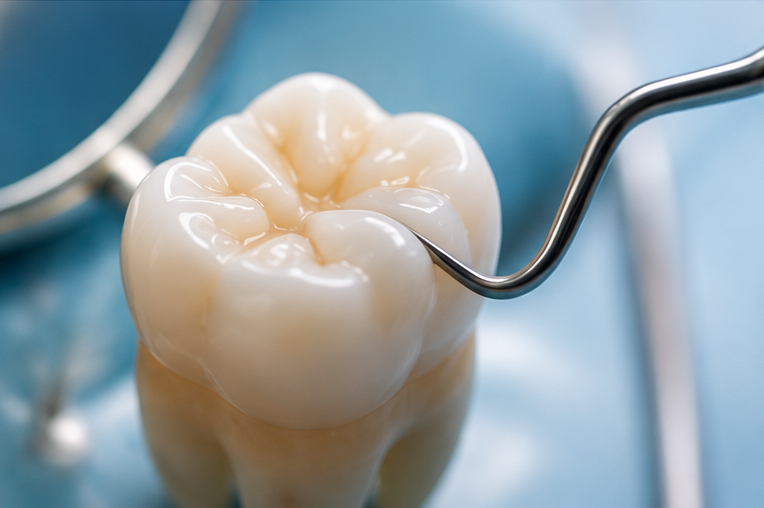
Why Do Some Patients Prefer Tooth-Colored or Biocompatible Dental Materials?
Natural Appearance: Composite and ceramic restorations can be selected to closely match the surrounding teeth, allowing the restoration to blend naturally with the smile.
Material Preferences: Some patients prefer dental restorations that do not contain mercury or metal. A mercury-free dentist can discuss available alternatives and explain which materials may be appropriate for a particular treatment.
Should Existing Amalgam Fillings Be Removed?
Having an existing amalgam filling does not necessarily mean that it needs to be replaced.
If a filling is intact, functioning properly, and the surrounding tooth is healthy, a dentist may recommend continuing to monitor it. Removing a functioning restoration unnecessarily can require the removal of additional healthy tooth structure.
Replacement may be considered when a restoration is damaged, fractured, associated with decay, or when there is another clinical reason for treatment. If you are concerned about an existing amalgam filling, have it evaluated by a dentist.
Questions to Ask Your Dentist About Mercury-Free Dentistry

1. Do you offer mercury-free dentistry?
2. What materials do you use instead of dental amalgam?
3. Are tooth-colored fillings appropriate for my tooth?
4. What are the advantages and limitations of composite or ceramic restorations?
5. How long can the recommended restoration typically last?
6. Do I actually need to replace my existing filling?
7. What will the treatment involve?
8. Are there different costs associated with the available materials?
9. Will my dental insurance cover the recommended restoration?
10. Which material would you recommend for my specific situation, and why?

Frequently Asked Questions

What is mercury-free dentistry?

Mercury-free dentistry refers to dental care that uses restorative materials that do not contain mercury instead of placing new dental amalgam fillings. Common alternatives include composite resin and certain ceramic restorations.

Are tooth-colored fillings mercury-free?

Composite resin fillings are tooth-colored restorations that do not use dental amalgam. Your dentist can explain the specific material being recommended for your treatment.

Are tooth-colored fillings as strong as amalgam fillings?

Modern composite and ceramic materials can provide durable restorations when used in appropriate situations. Longevity depends on the size and location of the restoration, bite forces, oral hygiene, and individual habits.

Are mercury-free materials better for everyone?

Not necessarily. No single dental material is ideal for every patient or every clinical situation. Your dentist should consider the condition of the tooth, function, appearance, material characteristics, and your individual preferences.

Do I need to remove my old silver fillings?

Not automatically. Existing amalgam fillings that are functioning properly may not need replacement. A dentist should examine the restoration and surrounding tooth before recommending treatment.

What are biocompatible dental materials?

In dentistry, the term is generally used to describe materials selected with consideration for their interaction with oral tissues and the patient's individual needs.

Does dental insurance cover tooth-colored fillings?

Coverage varies by insurance plan, the tooth being treated, and the type of restoration. Verify your benefits with your dental insurance provider or ask the dental office for help understanding coverage.

Choosing a Mercury-Free Dentist

If mercury-free dentistry is important to you, look for a dentist who is willing to explain the materials used in treatment and discuss multiple restorative options when appropriate.

A good conversation should cover more than whether a material contains mercury. Your dentist should also explain why a particular restoration is being recommended, how it is expected to perform, what alternatives are available, and what you can do to maintain it.

Talk to Stricker Dental Care About Your Options

If you are interested in mercury-free dentistry or would like to learn more about tooth-colored fillings and biocompatible dental materials, the team at Stricker Dental Care can discuss the options that may be appropriate for your smile.

Every patient's dental needs are different. An examination and personalized consultation can help determine whether an existing restoration needs treatment and which restorative material is best suited to your situation.

Schedule an appointment with Stricker Dental Care to discuss your dental health here.